







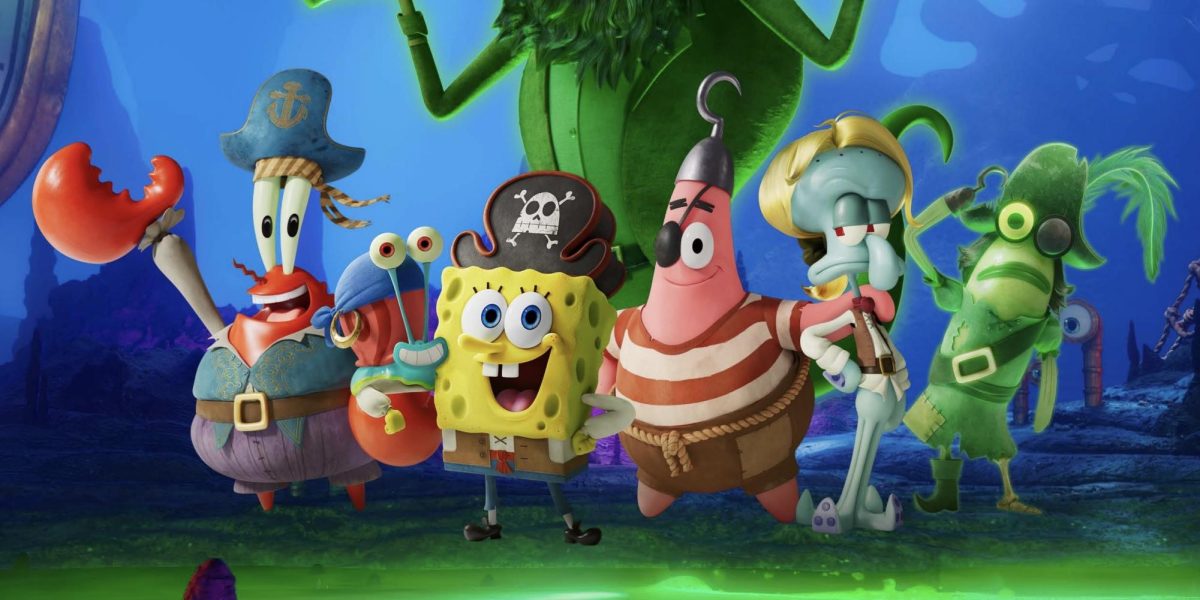





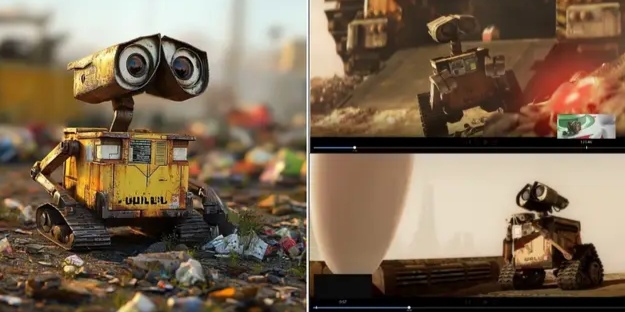
On a November 13 conference call with investors, Disney CEO Bob Iger revealed that AI generation tools will come to Disney+ in 2026. Specifically, Iger said that Disney+ users will have “the ability for them to create user-generated content and to consume user-generated content—mostly short-form—from others.”
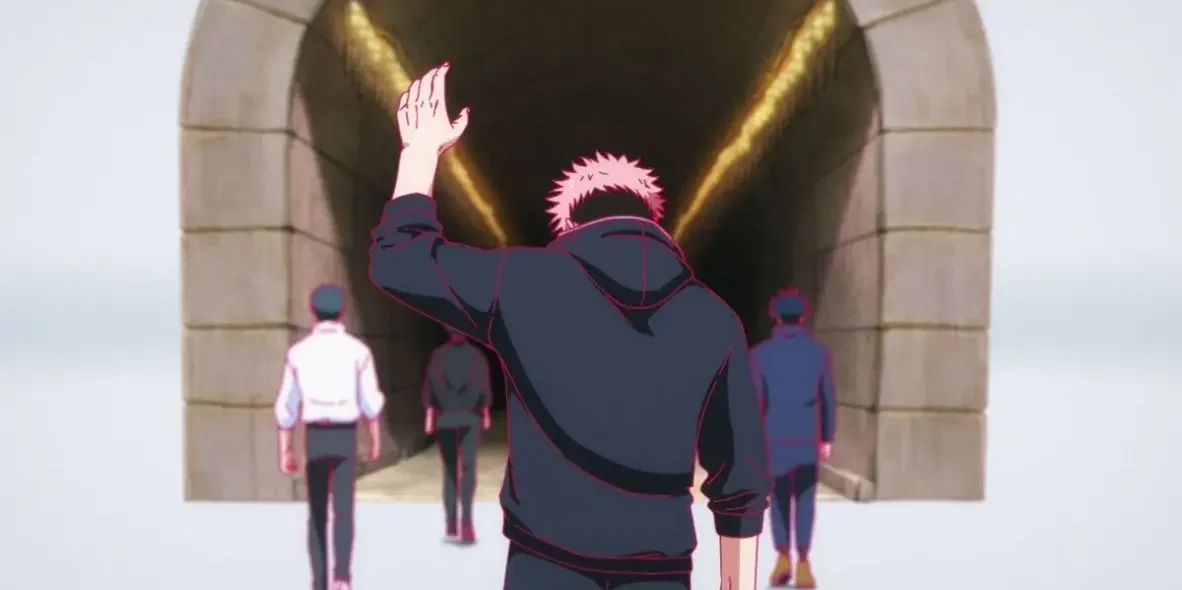
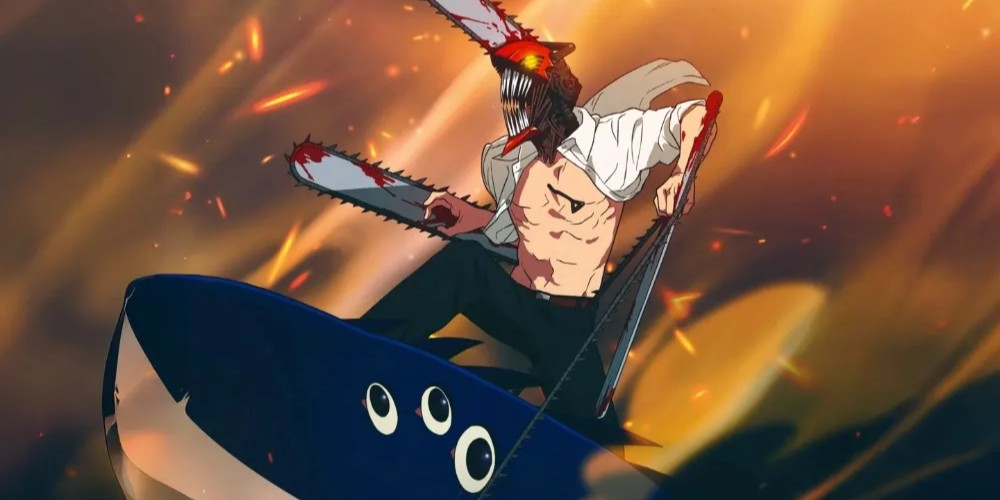
Yes, that means the Stitch-Groku team-up movie no one ever thought would happen could be brought to life by the magic of Disney.
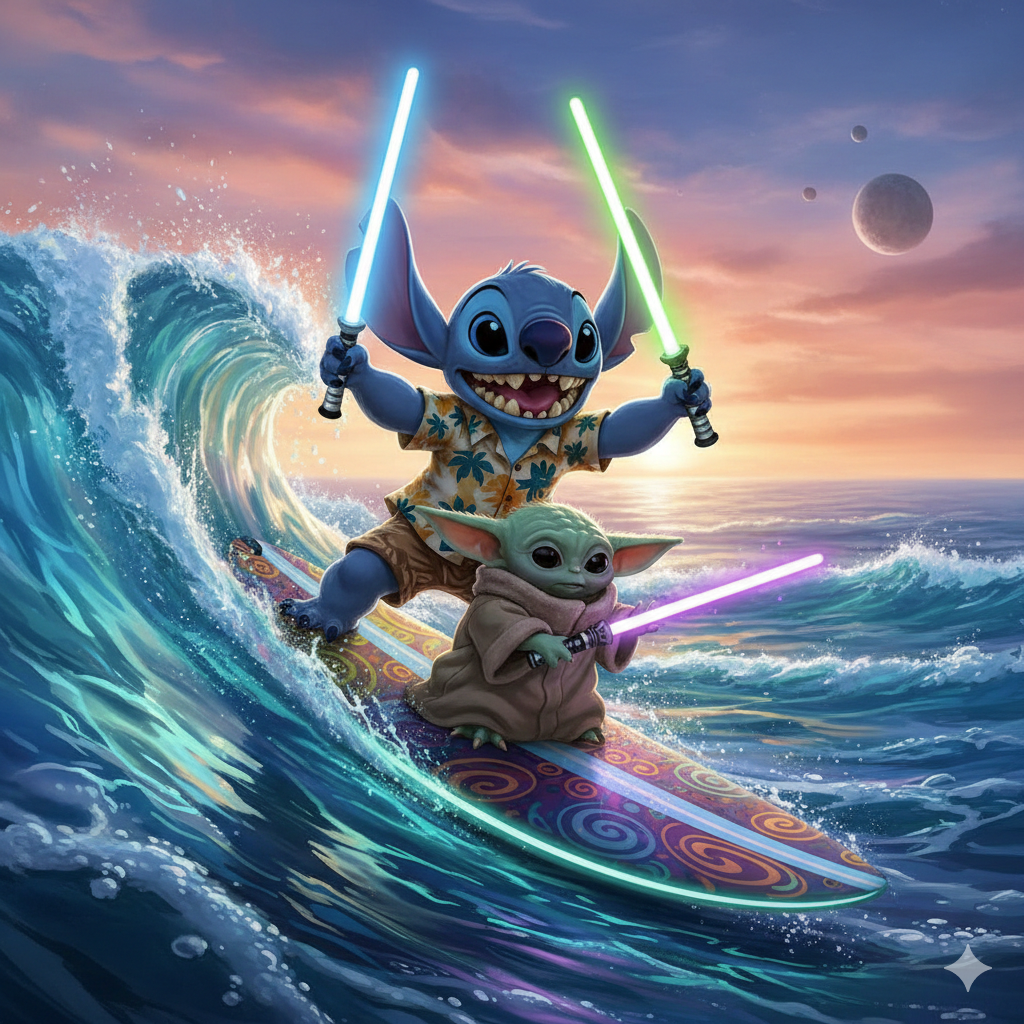
But wait: with AI tools like Sora2, can’t anyone already create Lilo and the Mandalorian if they want to?
If Disney gets their way, not for much longer.
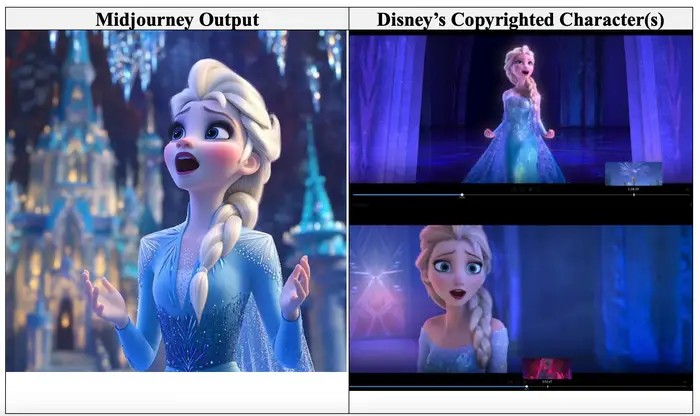
In June, Disney teamed up with Universal Studios to file a lawsuit against Midjourney, a popular text-to-image generation program. Their suit claims that Midjourney illegally used their copyrighted characters to train its generative AI model, including Darth Vader, Elsa of Arendelle, and the Minions.
The suit also alleged that user-created images of their intellectual property are copyright infringement and that Midjourney is “a bottomless pit of plagiarism.” On November 5, Disney and Universal merged their suit against Midjourney with a similar suit by Warner Bros., which believes Midjourney is infringing on their copyrights of Superman, Batman, Tweety, and Scooby-Doo, among others.
When putting together the Midjourney lawsuit and the Disney+ integration announcement, Disney’s goal is clear: they want to restrict AI use of their intellectual property to just their AI services. If they get their way—which is likely, given that Disney is one of the largest media companies on Earth—the days of fully open AI are over.
AI has caused an uproar over copyright for the past few years despite the boom of AI industries. Only a couple of months ago, NVIDIA invested $100 billion into OpenAI, and more than half of the total growth of US GDP this year has all been created by AI companies.
While the economics of AI are opaque, with lots of economists calling it a bubble, one undeniable fact is that most AI services are provided to consumers for free. Even companies like OpenAI that have paid premium AI services have a free tier used by most of their users.
Disney’s AI strategy and its potential fallout threaten this. AI-created content of Disney characters and artistic styles would only be available legally through a paid Disney service, and given that Universal and WB are co-litigants, other media companies would surely follow suit.
A good comparison to this situation would be video streaming. Originally, Netflix was under $5 a month and had almost every show and movie. Now, every studio has their own media on their own service, and consumers spend an average of $70 a month on streaming.
Worse, a successful copyright lawsuit against Midjourney and other AI companies could temporarily cripple the industry. Unlike traditional software, where a programmer can enter a line of code and effect a system-wide change, AI algorithms build themselves in ways that are often uncontrollable and unpredictable. If Disney can prove the Midjourney algorithm used their copyrighted material for training data, Midjourney will either have to pay Disney royalties in perpetuity or completely scrap their algorithm and start from scratch.
This may not be an inevitably, however. Most copyright laws cover intentional infringement by a person, and it’s unclear if AI can be held accountable in the same way. AI could go the way of video recording rather than Netflix. In the 1980s, Disney and other companies tried to stop VHS recording of their broadcasts under copyright law, but Congress decided this was legal… as long as the recorder didn’t sell the recordings for profit.
A greater restriction in what AI can create may be good for the various artists, actors, and musicians who are worried that AI will threaten their livelihoods. If large corporations can protect their copyrights from AI plagiarism, then they can defend their own copyrights easier. However, they may also not like the Disney model: Disney and other companies are in litigation over underpayment of streaming royalties and royalties to original artists for remakes.
Regardless, a win or loss for Disney will create a legal precedent that will significantly impact the AI industry.