





















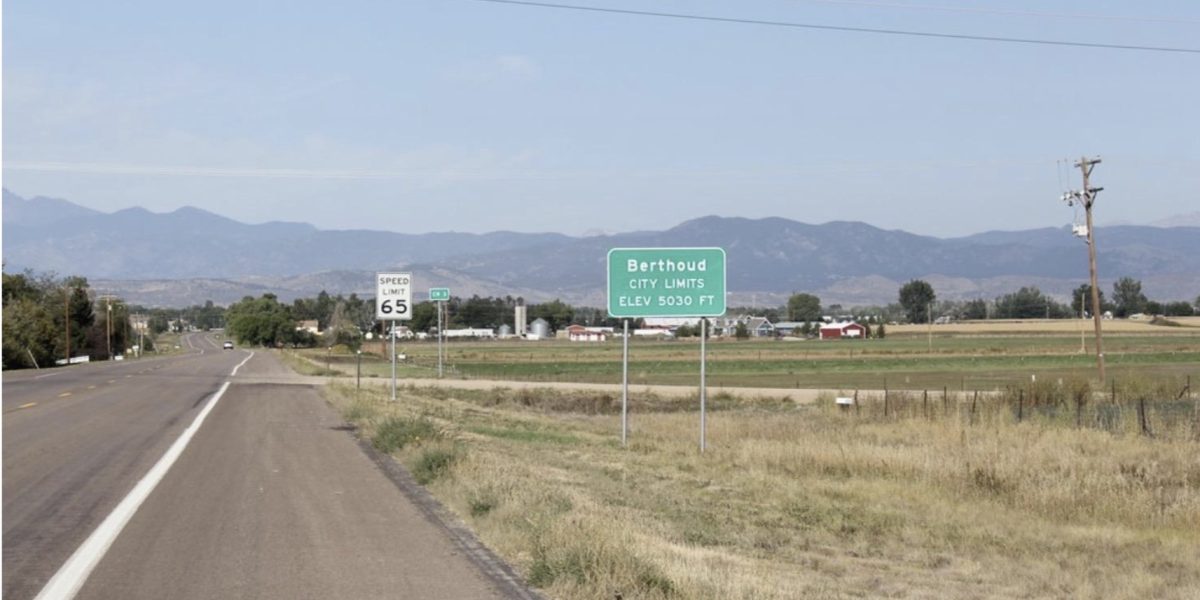
The “grace period” for speeding between Mead and Berthoud is officially over. As of April 2, drivers traveling in this high-traffic construction zone on I-25 are being hit with a $75 fine for exceeding the speed limit by 10 or more mph.
Following a 30-day warning period that began in March, the Colorado Speed Enforcement Program has effectively activated its camera technology. During the month-long trial alone, the CDOT issued many warnings, noting that there was a significant drop in speeding with warnings present. However, as of April 2nd, the safety net is gone and the cameras are now issuing real citations. (Colorado Department of Transportation).
This stretch of I-25 is the second enforcement area in the state to use this technology, following the successful launch on Highway 119 last year. Unlike traditional tickets, these are civil penalties that will not give any points to your driver’s license, but will definitely dent bank accounts.
If anyone drives in the 6-7 mile stretch faster than the cameras allow, the system will flag them. So, slamming on the brakes right before the camera will not stop the technology from marking your name.
For students commuting to school or driving to Denver for various activities, this area on the freeway is difficult to navigate. The Mead-Berthoud corridor is currently a massive construction site, as workers are looking to add new Express Lanes. With narrow lines, sudden turns and heavy morning traffic, this has become a hotspot for accidents.
Gabriel Molter, a CSP Trooper said, “The main crashes that we’re responding to are attributed to following too closely, distracted driving and lane violations through that mile marker zone… speed limits are decreasing, and we do want to make sure that people who are going through there are being as safe as possible.”
The system doesn’t just take a photo of the car as it passes; it uses technology to calculate the average speed through the full work zone. If the average speed is significantly over the 65 mph limit, a ticket will be automatically mailed to the address of the registered owner of the vehicle.
While there is major signage posted through the entirety of the area, reckless driving continues to make this a stressful, scary commute during peak hours. The goal of this technology is simple: to reduce injuries and protect the road workers who are often just feet away from traffic.
Unfortunately, for many drivers, the lesson is only learned once the $75 bill arrives in the mail. For students looking to save some cash, look for the signs and slow down