





















Chaos arose on the 28th of February when the U.S. and Israel began a series of attacks against Iran. The coordinated strikes were focused on Iran’s nuclear facilities, military operations, and leadership. The total result of these attacks is currently uncertain; some sources are claiming upwards of 1,255 people were killed and others 1,300.
According to Reuters, Iranian state media reported 1,270 people, including the 40 killed in the residential area of Tehran.
The estimated number of wounded is 12,000 individuals, says Al Jazeera.
Roaring Lion and Epic Fury are the large-scale airstrike operation names from the United States and Israel. Israel struck first with Lion’s Roar; 165 ballistic missiles were fired at Iran in the first two days. During the airstrikes, multiple government officials were killed—including Iran’s supreme leader, Ali Khamenei. Not only were Iranian soldiers affected, but so were U.S. ones.
PBS says three U.S. service members were killed during the attack while another died from injuries sustained during the initial operation. U.S. Defense Secretary Pete Hegseth told news reporters at the Pentagon that America’s Epic Fury was the “most precise aerial operation in history.”
A U.S. tomahawk missile also struck an Iranian school known as Shajarah Tayyebeh Elementary School. The result was 175 dead, most being children. It is said to be an unintentional coordinated mistake made by military intelligence due to the school’s proximity to an old Iranian Navy building.
However, President Trump did try to push the blame onto Iran, says the New York Times; he was “asserting incorrectly that Iran might also have Tomahawk missiles but adding that he would accept the results of the inquiry into what happened.”
How did it reach such stakes?
President Donald Trump has stated various reasons for America striking Iran. A major one being to “defend the American people by eliminating imminent threats from the Iranian regime,” referring to the alleged nuclear bomb the Iranian government was building in Tehran. However, according to the official Library of Congress, Iran “has not mastered all of the necessary technologies for building such weapons.” Thus, a nuclear weapon or even the building of one wasn’t even close or possible for the Iranian regime at the time of the military assault.
Israeli Prime Minister Benjamin Netanyahu also supported President Trump’s statement, saying the reason for the coordinated attack was to remove “the existential threat posed by the terrorist regime in Iran.”
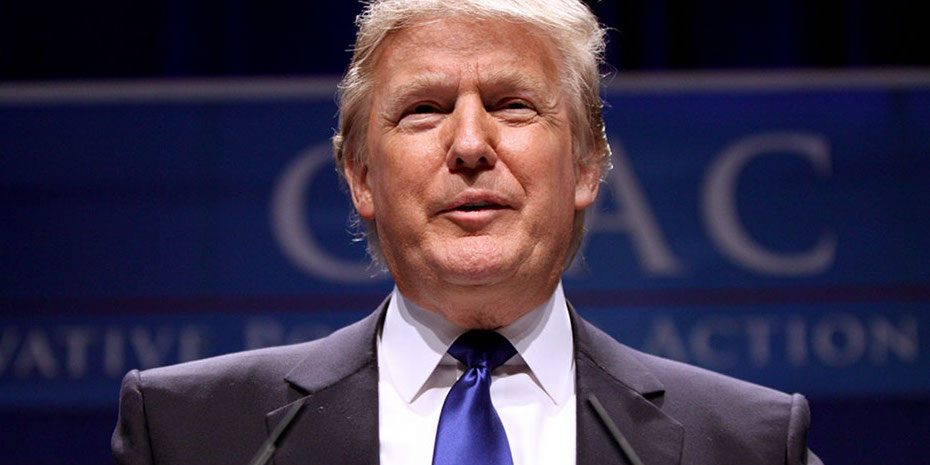
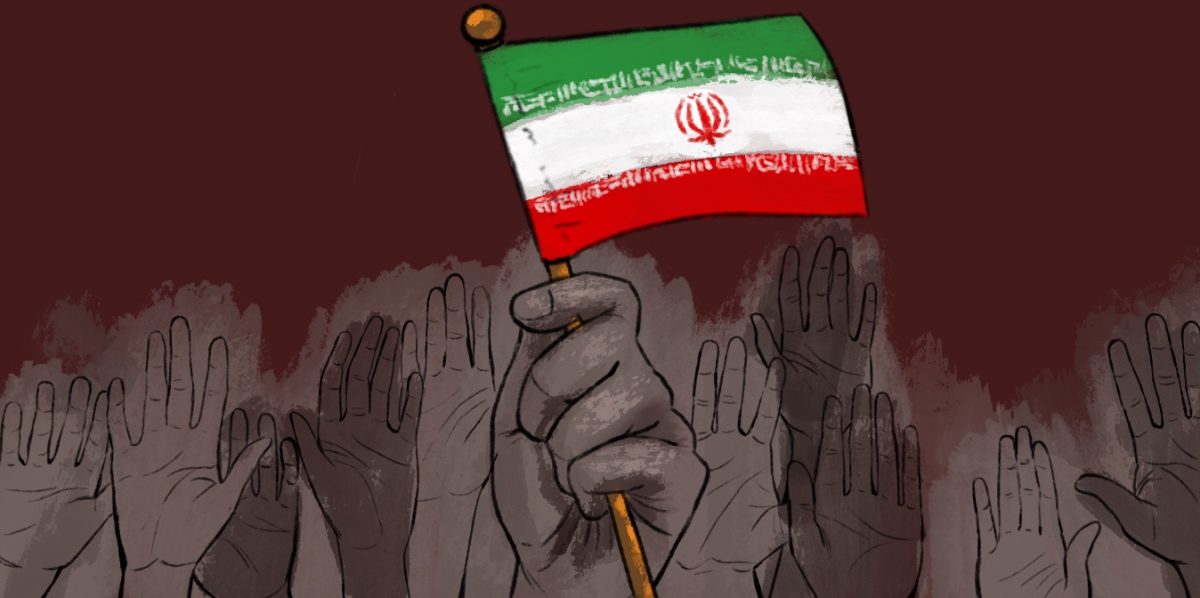
Since late December of last year, Donald Trump has been threatening involvement with Iran since the huge protests erupted. He made various statements on social media over the situation in Iran.
“Iranian Patriots, KEEP PROTESTING – TAKE OVER YOUR INSTITUTIONS!!! I have cancelled all meetings with Iranian officials until the senseless killing of protesters STOPS. HELP IS ON ITS WAY.”
However, even last December, Iranian leaders were not keen on Trump and his meddling. They declared President Trump an enemy and the number one killer to the Iranian nation.
The situation between America and Iran came to a standstill when Trump declared war in ten days’ time on February 19th. An article from CBS reported on Trump’s ongoing negotiations, “We’re either going to get a deal or it’s going to be unfortunate for them.”
Various reports spotted Prime Minister Benjamin Netanyahu leaving the Oval Office early on February 11th.
Iran’s and Israel’s less-than-friendly relationship
Iran and Israel haven’t been on good terms with each other since the 1980s. The conflict arises from another ongoing war: the Palestinian conflict. Israel has always been on the offensive when it comes to Palestine and Hamas groups. However, Iran has long supported Palestinian groups in the conflict and even recognizes it as its own state.
This has created immense tension between the two countries.
Israel is America’s most reliable ally in the Middle East; they’ve held diplomatic relations since 1949. Notably, Iran has held a strong distaste for America and promotes anti-American rhetoric constantly. The chant “Death to America” can be heard often in state-televised Iran gatherings. The America hatred was also often perpetuated by the supreme leader, Ali Khamenei.
Naturally, sending a military assault on Iran hasn’t resolved this case. The coordinated attack only serves to strengthen the relationship between Israel and the United States.
What’s the endgame?
President Donald Trump’s main goal has been to incite a regime change in Iran, making it clear he believes this is the best route. Trump posted a video to Truth Social that addressed the Iranian people: “Now is the time to seize control of your destiny. This is the moment for action. Do not let it pass,” encouraging them to overthrow the current regime.
With Ali Khamenei gone, Iran’s Assembly of Experts—the panel of Shia clerics under Iranian law—grouped together to choose the next supreme leader to fill the void. Iranian state media confirmed the winner was actually the son of Khamenei, Mojataba Khamenei. Mojataba Khamenei is the third leader of the Islamic Republic and the second son of Ayatollah Ali Khamenei.
According to NBC News, Trump wanted to handpick the new supreme leader. “They are wasting their time. Khamenei’s son is a lightweight. I have to be involved in the appointment.”
Many are concerned about the repercussions the war will have on the economy. The conflict has sent oil prices and shipping costs rising. The Washington Post says since the war broke out, “The national average reached nearly $3.58 per gallon,” a 22% sharp increase for Americans. This also has to do with the Strait of Hormuz being closed for more than a week because of Iranian threats, causing oil shipments to be backed up.
However, the tension on the market may ease temporarily as the International Energy Agency says it will release 400 million barrels of oil from its emergency stocks. The closed strait has also put shipping docks at a complete halt; it’s unknown when they’ll be able to deliver again.