




















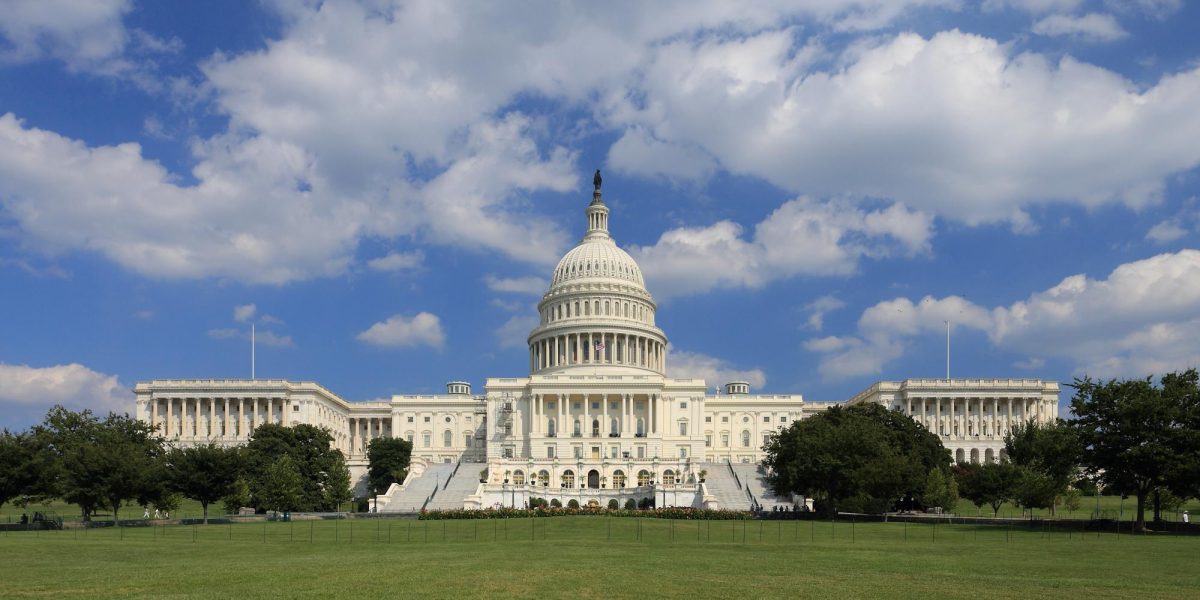
The government is on the brink of another partial shutdown. Again.
A big spark for this partial shutdown is the killing of Alex Pretti, the 37-year old nurse who was shot during a protest against ICE. The killing of Pretti has stirred up fierce Senate Democratic opposition to a House-passed measure that provides funding for the Department of Homeland Security.
Pretti’s death was the second fatal shooting this month by federal agents, who were employed due to President Trump’s immigration action. The first shooting being on January 7, Renee Nicole Good was killed by an ICE agent at a protest.
The Senate has remained deadlocked over a bill that would fund Immigration Customs and Enforcement amongst the protesters in Minneapolis. The government will shut down on Saturday, January 31st if the bill is passed.
Unless President Trump and the Republicans can find a breakthrough with Democrats who want to block the spending package that includes money for the Department of Homeland Security and ICE.
Republicans need at least seven Democratic senators to clear the 60 votes that are needed to overcome this, which would give the minority party power to upend the spending bills.
As of Thursday January 29, a Senate test vote to avoid this shutdown failed. Which signals that Democrats, Republicans, and the White House are still not on the same page, amid their negotiations on Department of Homeland Security funding in the spending package.
What is a government shutdown?
A partial government shutdown occurs when Congress does not pass all 12 annual appropriations bills by the deadline. In this case, only some of these bills are passed, which allows part of the government to remain funded while other agencies will close.
The departments that do not have approved funding, have to furlough employees and put their services to a halt temporarily. The departments that are affected typically include Agriculture, Commerce, Justice, Homeland Security, Interior, Transportation, and Housing and Urban Development.
These shutdowns will last until Congress passes the remaining bills. Last time a government shutdown occurred in October, it was the longest shutdown in history. This shutdown lasted 43 days, and after it finally ended on November 12, President Trump signed a continuing resolution that would fund the government until January 30.
Senate Minority Leader Chuck Schumer, suggested that the Trump administration’s retreat from its immigration actions in Minnesota wouldn’t be enough to drop this threat of the shutdown, which raises the odds of it happening higher.
Schumer says “The fix should come from Congress; the public can’t trust the administration to do the right thing on its own.”
He also stated that if the Senate Majority Leader, John Thune insists on holding a vote on Department of Homeland Security (DHS) legislation that he knows won’t pass, then he will guarantee another government shutdown on Friday.
Senator Lindsey Graham has voted on a funding deal to keep federal agencies open stalled. He confirmed that he has a so-called hold on the funding package, which blocks it from Senate consideration.
Even if the Senate votes on that deal Friday, a short partial shutdown is still most likely going to happen because the House of Representatives is still not going to return to Washington until Monday. Both of the chambers will be required to vote to approve the spending bills before this package goes to President Trump for him to sign.
What happens if the government does partially shut down?
If the Senate alters the bill at all, it would have to be reapproved by the House, which is out on a pre scheduled recess and doesn’t have plans announced to return before the deadline.
In addition to DHS, this bill would fund departments of Defense, Treasury, State, Health and Human Services, Labor, Housing and Urban Development, Transportation, and Education.
However, if this bill is not passed by the deadline of January 30, then these agencies will not be funded and enter a shutdown. The “nonessential” employees would be furloughed, and the “essential” employees would work but not get paid.
However, President Trump has already signed some spending bills that will keep the rest of the government open.
Not all agencies will shut down if this happens, including the departments of Agriculture, Veterans Affairs, Interior, Energy, Justice and Commerce. This means that people will not be in danger of losing their Supplemental Nutrition Assistance Program (SNAP) benefits this time around.
Even though some agencies in the government won’t be affected, there’s still a high chance airports will become delayed, federal workers could miss their paychecks, and people might not be able to obtain certain federal loans to buy homes or operate small businesses.
If nothing has been figured out, the government will shut down as of 12:01 am on Saturday, January 31.