












On December 4, Netflix announced that they had locked down a deal with Warner Bros. Discovery to buy most of the company for $72 billion plus a $5 billion retainer to pay for the costs of the acquisition.
This is our second article exploring the Warner-Netflix deal. Yesterday, we looked at what exactly the Warner Bros.-Netflix deal is and what Netflix is and isn’t buying. Today, let’s look at why Warner Bros. is up for sale in the first place.
The Story Behind Warner Bros.
In June 1889, William Kennedy Dickson created the Kinescope for his employer Thomas Edison—it was the first American-made film camera and the start of the American film industry. That same year, a woman brought her four sons with her to America to escape Jewish persecution in Poland. These boys were named Harry, Aaron (Albert), Sam, and Jacob (Jack), and their last name was Americanized from Wonsal to Warner.
The three older Warner brothers pooled what money they had to buy an Edison film projector and screen, and they made their fortune by going from mining camp to mining camp in Ohio and Pennsylvania showing movies from Black Mariah, Edison’s film studio. In 1903, they opened their first brick-and-mortar movie theater in New Castle, Pennsylvania. They soon acquired many theater locations and mobile exhibition teams, so the Warners began showing more than just Edison’s films and started a distribution business to keep track of which films were with which exhibitor at what time.
As World War I started in Europe, there were fewer new films being made, so the Warner brothers (now with Jack old enough to help) began financing their own films. Jack and Sam followed the newly created Universal Pictures and Paramount Pictures out to Hollywood, where they built their first studios on Sunset Boulevard in 1918. In 1923, the filmmaking part of their business became more significant than the theatrical distribution part, so the business reincorporated as Warner Bros. Pictures.

Warner soon became one of the original “Big 5” Hollywood studios along with Paramount, Twentieth Century Fox, RKO, and Metro-Goldwyn-Mayer (MGM). In 1927, Warner Bros. launched the first full-length musical film with sound (The Jazz Singer), and in 1928, the first full-length non-musical film with sound (Lights of New York)—these two films began the end of the silent film era. In 1929, WB followed this up with the first full-length film in color (On With the Show!), and in 1928, the first full-length non-musical film with sound (Lights of New York).
The Problem with Warner Bros.
1929 also marked the first reserve takeover of a Hollywood studio when WB acquired the much-larger First National Studios and 62-acre studios (which contained Warner’s now-famous watertower). Warner Bros. had to get special permission from the US Justice Department to absorb and dissolve First National in a situation that’s very similar to how the smaller Netflix will need permission from government regulators before they can own the much larger Warner Bros. Discovery.
Warner soon acquired Leon Schlesinger Animation (which is known today as the Looney Tunes) and RKO’s film library, which included King Kong and Citizen Kane. WB remained independent until 1966, when it was acquired by another studio named Seven Arts. It was then sold to Kinney National in 1969 (who owned DC Comics) and then merged with Time (owners of Time Magazine and HBO) to create Time-Warner in 1989.
After merging with Turner Communications, WB had the rights to most of the MGM library, including Tom and Jerry and the 1939 Wizard of Oz, and the Hanna-Barbera characters, which include the Flintstones, Jetsons, and Scooby Doo—Turner had used these franchises to launch cable networks TBS, TNT, Cartoon Network, and CNN. In 1995, the company launched the WB Network and hit shows Buffy the Vampire Slayer, 7th Heaven, One Tree Hill, Dawson’s Creek, and Supernatural before merging with Paramount’s UPN to create The CW Network in 2006.
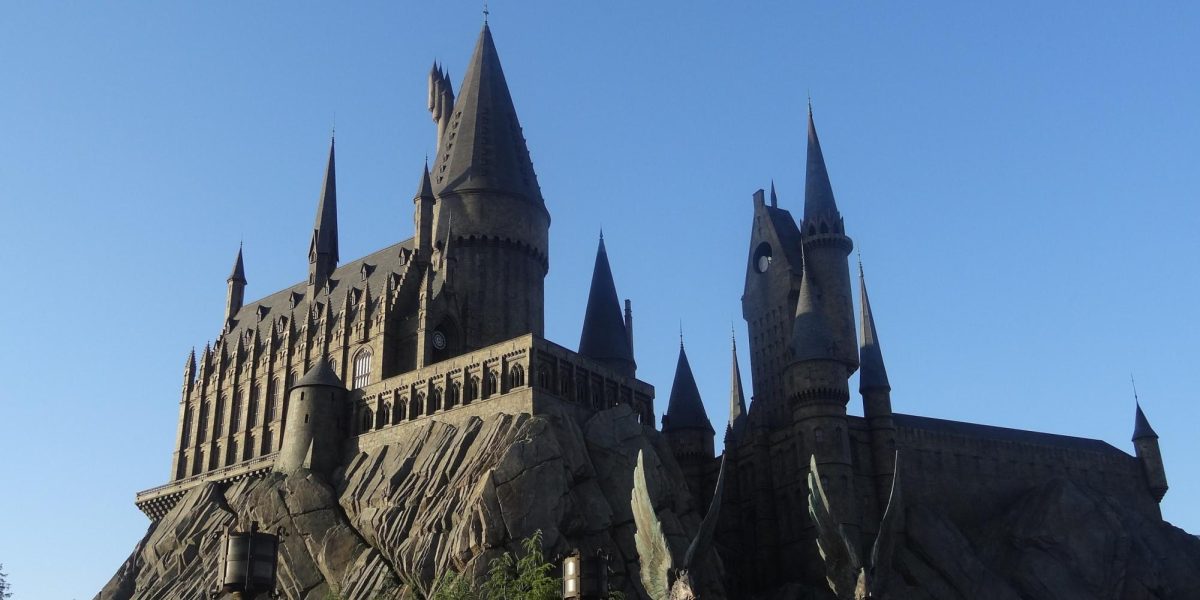
Warner Bros. was sold to AT&T in 2018 (where it acquired several gaming studios like Rocksteady) before its acquisition by Discovery (home of History Channel, HGTV, Animal Planet, and Food Network). Currently, Warner Bros. owns Warner Bros. Studios, New Line Cinema, DC Studios, Castle Rock Entertainment, HBO and streamer HBO Max, Cinemax, DC Comics, MAD Magazine, Rocksteady, Netherrealm Studios, TT Games, The Bleacher Report, The Wizarding World of Harry Potter, over 50 sound stages across the globe, around 50 US cable channels, and 30% of Rotten Tomatoes and Vudu.
The Warner Bros. Discovery Era
While these various acquisitions gave Warner Bros. an enormous library of classic films and popular characters, each saddled the company with more and more corporate debt. This is a big benefit of acquisitions for a business: Company A buys Company B (that has lots of debt) by using debt, then Company A discharges most of their comany’s debt onto Company B, and they finally sell or bankupt Company B to discharge Company A’s debt. When Turner bought WB in 1996, its debt rose from $16.5 billion to $25 billion; under AT&T, $21.3 billion to $43 billion; and when sold to Discovery, that $43 billion became $50 billion once Discovery’s $7 billion of debt was added.
When Discovery CEO David Zaslav bought WB in 2022, he told investors his intention was to flip the company the same way a real estate investor might flip a house: do everything possible to cut down on the company’s debt, invest in new and attractive company projects, and sell the company in a few years’ time for a profit.
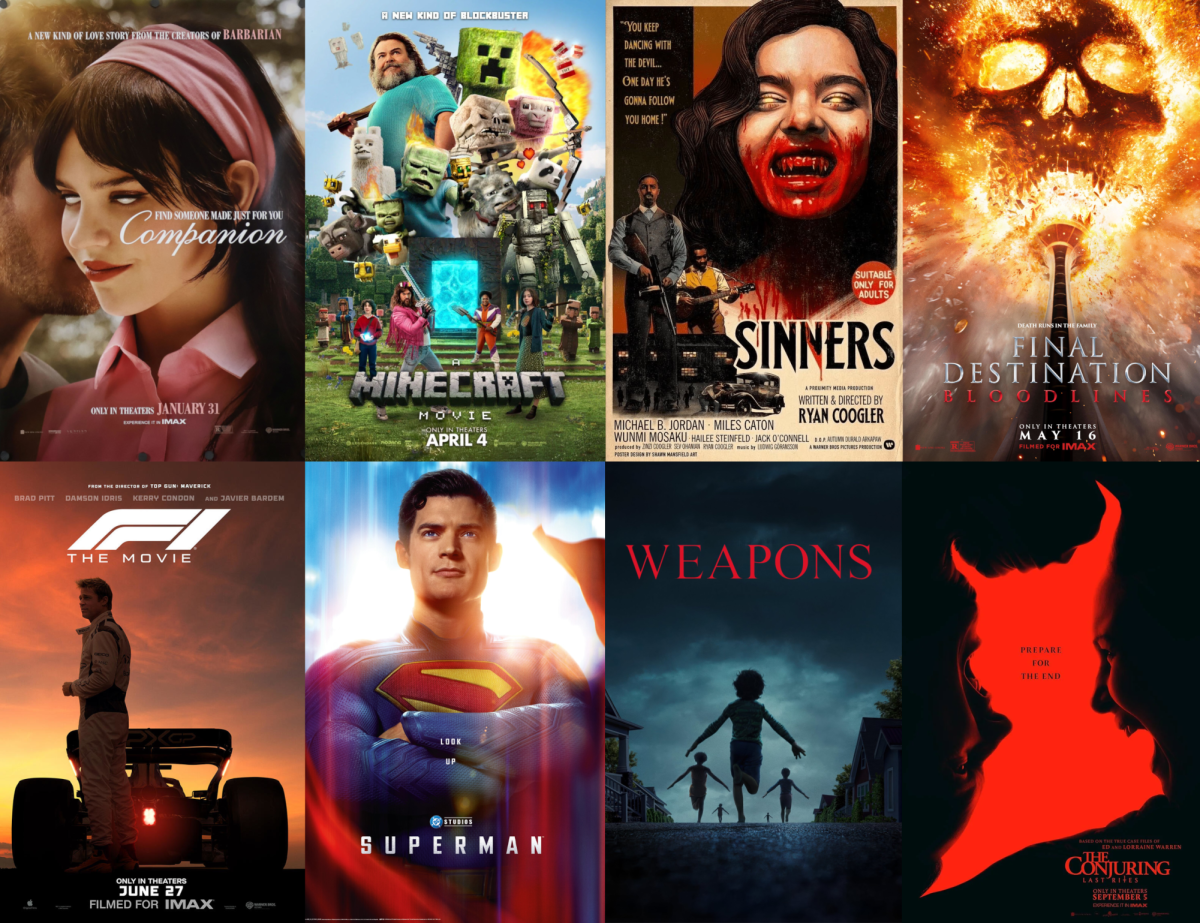
To get this done, Zaslav made some moves that fans and other Hollywood players hated: he cancelled existing projects (including finished films) for tax write-offs, cut the program offerings on HBO Max and several cable channels to save on royalty payments to creatives, and offered creditors to be immediately paid back in cash for significant reductions in debt. Meanwhile, he lured creators like Greta Gerwig, James Gunn, Jared Hess, Mike Flanagan, and recently Tom Cruise to the studio by offering them almost complete creative freedom as long as they made money—this has resulted in highly profitable films like Barbie, Superman, A Minecraft Movie, Wonka, Beetlejuice Beetlejuice, and Dune: Part Two.
As controversial as some of these moves have been, Zaslav accomplished his goal. In three years, Warner Bros. discharged around $21 billion of their debt. Meanwhile, HBO Max has become the third-biggest streamer and highest in customer satisfaction and (at the time of writing) has the largest box office market share of 2025. In fact, Warner Bros. had such a good year in movie theaters that Mortal Kombat II was delayed to May 2026 because the studio “didn’t need the additional profit this year.” The studio may be as attractive as it will ever be for a buyer.
Why Warner Bros. Is Up for Sale
Despite the great state of the studio, Zaslav was not ready to sell Warner Bros. this year. This summer, he told shareholders that he was planning to split Warner Bros. Discovery into two companies by mid-2026: WBD Streaming and Studios, which would keep “Warner Bros. Television, Warner Bros. Motion Picture Group, DC Studios, HBO, and HBO Max,” their physical studios, gaming studios, and all IP; and WBD Global Networks, which would include Cinemax, “CNN, TNT Sports,” TBS, Cartoon Network, Adult Swim, all Discovery cable channels, “and Bleacher Report.” After the split, the Global Networks would have most of the remaining company debt and be sold off while Zaslav remained CEO of Streaming and Studios for a few more years.
However, another studio disrupted these plans: Paramount. After its acquisition this summer by Skydance and its CEO David Ellison, Paramount began unsolicited bids to Zaslav to buy the entire company in September. Ellison, who is backed financially by Oracle CEO Larry Ellison and his wealth created by the recent AI boom, said that Paramount wanted “to consolidate media assets during a period of industry-wide instability”—essentially, in a business environment where only the biggest company can get viewer attention, Paramount wants to be the biggest company.
To this end, the big prize of the purchase (besides Warner’s IP) would be HBO Max, which Paramount wanted to absorb into its struggling Paramount+ streaming service. However, critics of Paramount quickly pointed out that the Ellison family has close ties to the Trump administration and has already started to restructure Paramount and CBS around speech that aligns to Trump’s wishes. Given that the Warner Bros. purchase would give Paramount control of CNN, a vocal critic of the Trump government, many pundits believed that this acquisition would also have political motivations.
Seeing that Paramount, backed by the fourth-richest man in the world, would take their offers directly to the WB shareholders if he refused their offers (which they did anyway), Zaslav instead created an open bidding process for WB in October. As the final bids came in before Thanksgiving, three companies showed both interest and the financial support needed to buy the company: Paramount (owned by Skydance), NBC-Universal (owned by Comcast), and, to the surprise of many, Netflix.
Why Warner Bros. Needs Netflix
While Zaslav’s work as stripped a lot of baggage from Warner Bros., the studio still needs financial stability. If more money comes into Warner Bros., they will be able to take more risks on projects that hit more niche audiences or new creative ideas. Sequels and reboots dominate Hollywood because they are financially sound investiments, which means that fresh ideas either need to have very low budgets (which is why so many original films are coming out of the horror genre) or can lose money without the studio going bankrupt.
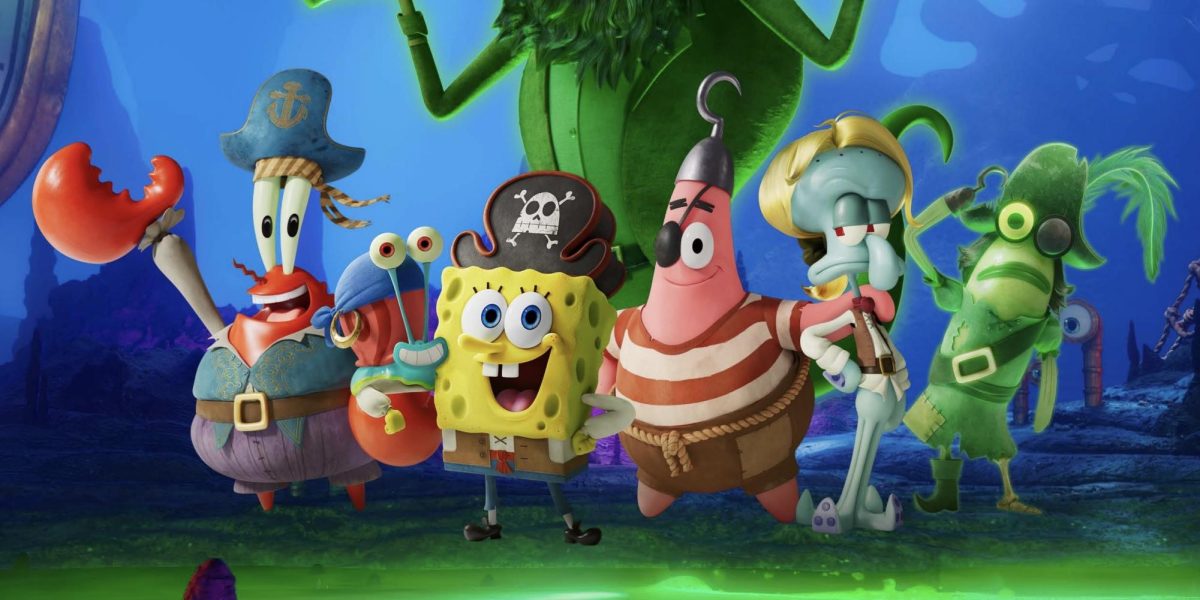
Netflix has that money–they made $39 billion in revenue and nearly $9 billion in profit last year. The company has a maket cap of $410 billion. With that financial stability, Warner Bros. wouldn’t have needed to write off Scoob: Holiday Haunt for tax purposes or sell Coyote vs. Acme to another studio.
In their offer to David Zaslav, Netflix also offered him what he originally wanted: his original plan. Netflix wants everything on the Streaming and Studio side of Warner Bros. Discovery but has no interest its the linear cable networks, so the WBD Global Networks will once again need to be split off and sold. This should also appeal to the WBD shareholders, as they will receive two paydays rather than just one.
Furthermore, Netflix has told David Zaslov that, for the next few years, they don’t want anything to change: he’ll still be CEO of Warner Bros., he can still keep his studio heads like Peter Safran and James Gunn, and they do not want to pull films out theaters. They don’t even want anything to change with HBO Max at the moment–the deal guarentees HBO Max’s existance as a “premium service” that they want to bundle with Netflix just as Disney+ and Hulu were for the past few years.
So Warner Bros. will really benefit from Netflix, but what does Netflix get out of the arrangement. We’ll look at that in the third part of our series of articles on the Warner Bros.-Netflix deal:
- Yesterday, we looked at what the Warner Bros.-Netflix deal exactly is
- Today, we looked at why Warner Bros. is up for sale in the first place
- On Wednesday, we will look at why Netflix wants to buy Warner Bros.
- On Thursday, we’ll examine the rumored downsides of the deal (and what the real concerns are)
- On Friday, we’ll look at who is trying to stop the deal (and if they may succeed)