

















On the evening of Thursday, December 4, Netflix announced that they had locked down a deal with Warner Bros. Discovery to buy most of the company for $72 billion plus a $5.8 billion retainer to pay for the costs of the acquisition.
The following morning, Variety, The Hollywood Reporter, Vulture, The New York Times, The LA Times, and seemingly every news media company ran articles and videos decrying the sale as the end of Hollywood. The Writer’s Guild of America released a statement opposing the deal, the Director’s Guild has a meeting with Netflix later this week to express their concerns, and anonymous producers have asked Congress to stop the purchase.
In other words, a lot of people clearly think this is a big deal.
They aren’t wrong. The sale to Warner Bros. will be the most expensive studio acquisition in Hollywood’s history, topping the Disney-Fox merger of 2019. However, many initial reports and reactions to the deal are missing the key details laid out by Netflix CEO Ted Sarandos in his press release around the deal. Here are the facts as they are currently known:
The Deal
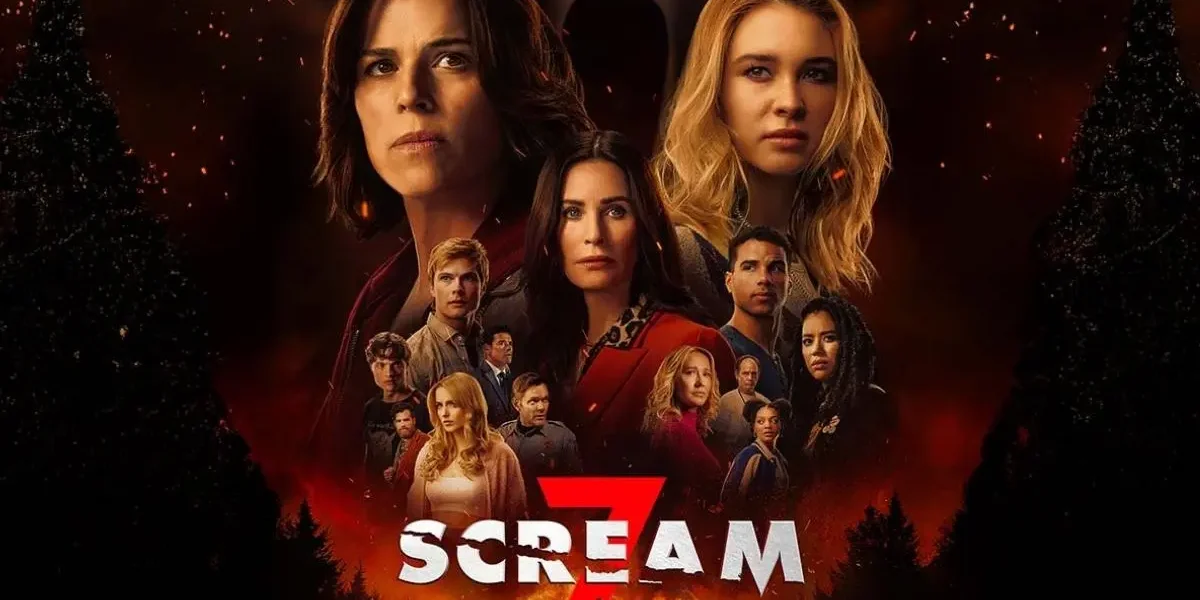
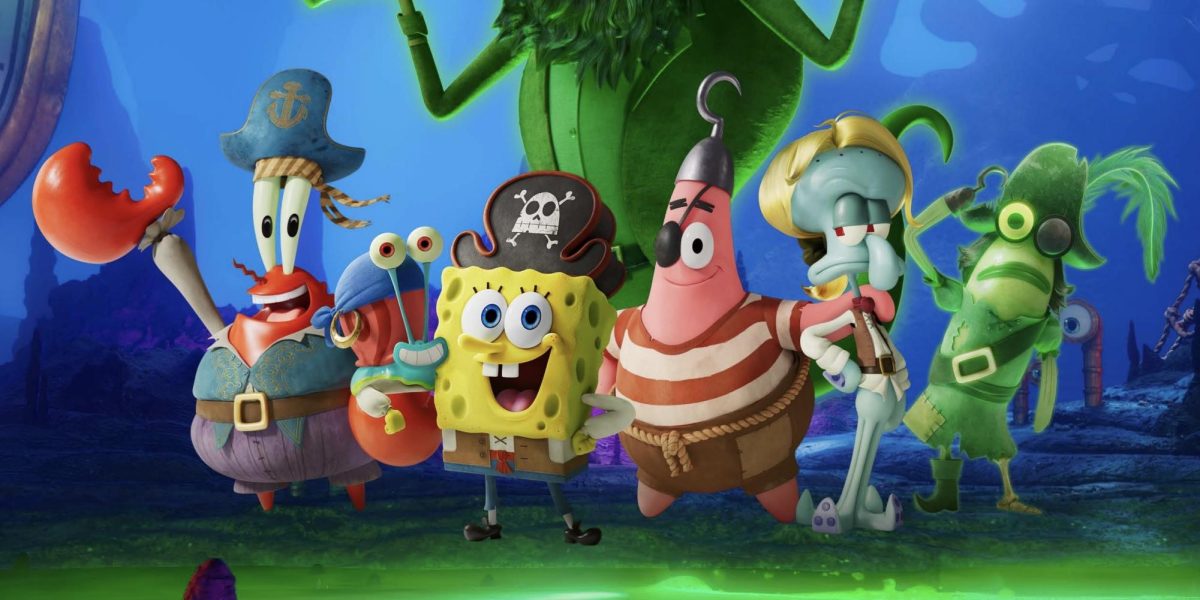
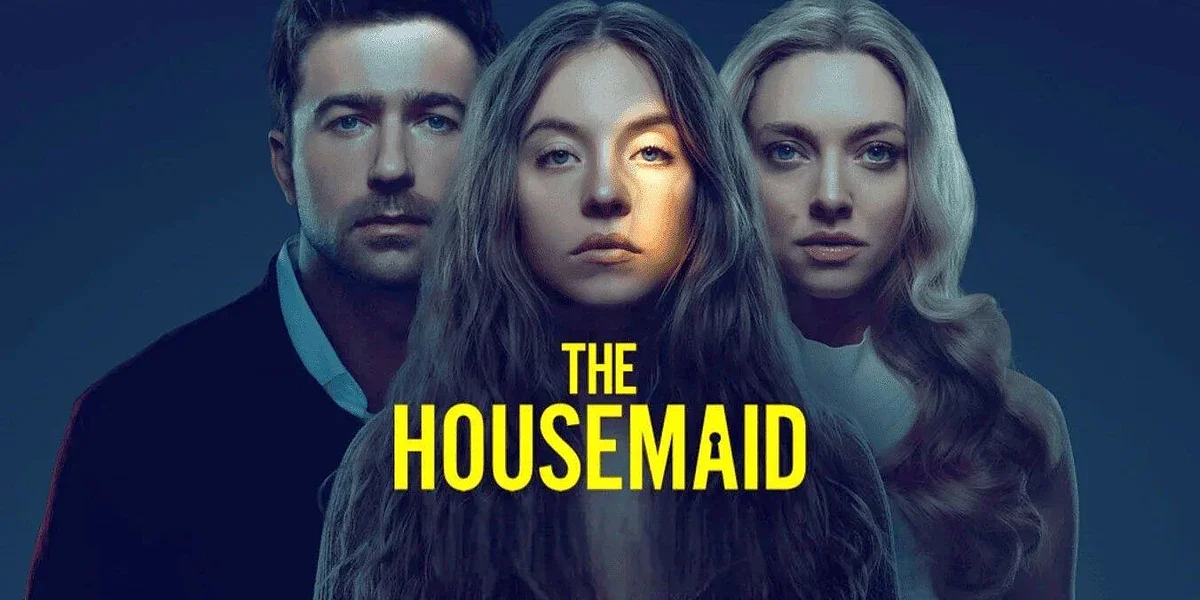
Netflix is not actually buying the entirety of Warner Bros. Discovery. WB is a very, very big company and contains the following subsidiaries:
- Warner Bros. Pictures (including WB Animation and Warner International Distributing)
- Warner Bros. Television
- HBO, Cinemax, and HBO Max
- New Line Cinema
- Castle Rock Entertainment
- Warner Bros. Studios (around 50 stages in Burbank and Leavesden, UK)
- DC Comics & DC Films
- Cartoon Network, Adult Swim, and Williams St. Studios
- CNN Global
- Turner Communications (TBS, TNT, TCM, TLC, Travel Channel)
- Discovery Networks (Discovery Channel, History Channel, Animal Planet, HGTV)
- Bleacher Report, GolfTV, and 50% of MotorTrend
- Warner Bros. Games (including NetherRealm Studios, Rocksteady, and TT Games)
- Watertower Music
- MAD Magazine
- Warner Home Media
- Warner Consumer Products (merchandise)
- 30% of Fandango (including Rotten Tomatoes and Vudu)
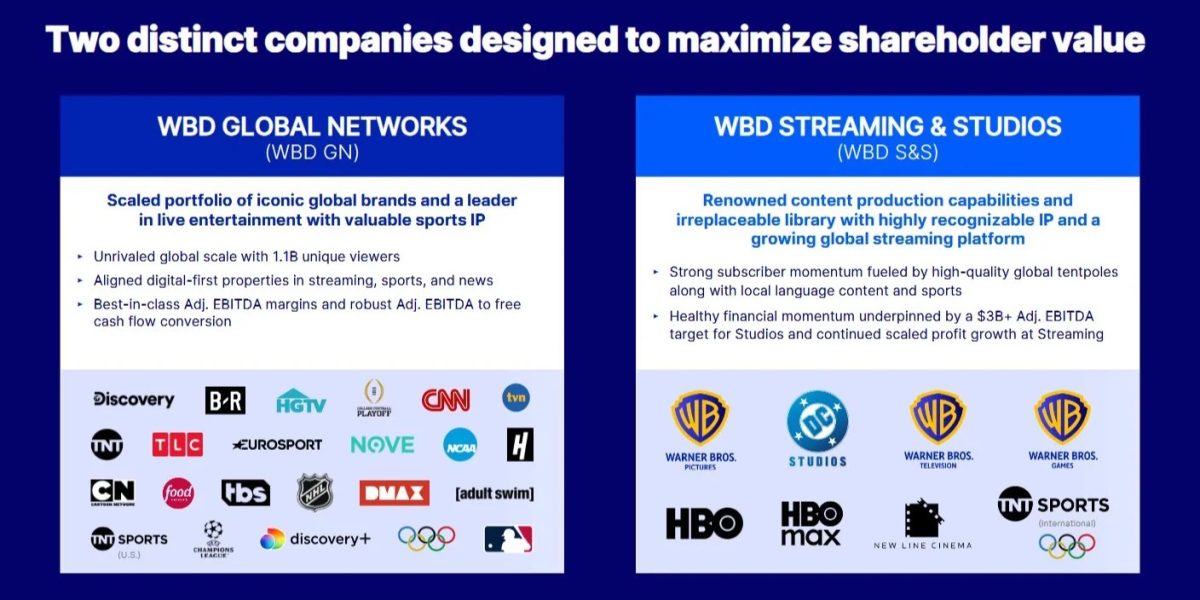
Before Netflix buys Warner Bros., the company needs to complete its plan to be split in half. Netflix wants to buy WBD Streaming and Studios, which would include WB Pictures, New Line Cinema, HBO, HBO Max, Castle Rock, DC, WB Games, Watertower Music, MAD, Warner Home Media, Warner Consumer Products, and all of WB’s physical studio spaces. Netflix has committed to, at least in the short term, keeping all of these studios intact—WB films will still go to theaters, DC comic books will still line shelves, and HBO Max will remain a separate streaming service from Netflix.
What Netflix doesn’t want is the portion that will become WBD Global Networks, which would include Cinemax, CNN, the Turner networks, the Discovery networks, MotorTrend, and Bleacher Report. It’s unclear which of the two companies would get the minority stake in Fandango. Another gray area is Cartoon Network—while Netflix doesn’t want the actual cable channels Cartoon Network, Adult Swim, or Boomerang, they do want the shows that air on those channels and Williams Street; thus, Netflix may keep the Cartoon Network, Boomerang, and Adult Swim brands while shuttering the actual channels.
The Timeline
Sarandos said that while the deal with Warner Bros. Discovery is definitive (meaning they’ve signed a contract and agreed to purchase), it will not proceed until after the WBD Streaming and Studios and WBD Global Networks break up. His estimated timeline for this is the third quarter of 2026 (e.g., July to September). Until then, nothing will change for either company.
After the company is split, the deal has to be approved by government regulators. This is where the immediate backlash against the deal may come into play, as some government officials are already decrying the acquisition as a monopoly. Warner Bros. and Netflix plan to use the Disney-Fox merger of 2019 and the recent acquisition of Paramount by Skydance Media as precedent to allow them to move forward.
This process will involve hearings, lawyers, and a lot of time. It took Disney and Fox 15 months to go from announcing the deal to closing the deal. If the Trump administration does block the sale (and they might), then Netflix and Warner Bros. can either wait until 2029 for a new presidential administration to approve the merger, or they can call the deal off, in which case Netflix will pay WB a $5.8 billion fee.
If the acquisition is approved sometime in 2027, then most of the big changes consumers will see will come in 2028. Logos will change branding, what’s offered on Netflix and HBO Max will change, and the streaming services will probably be offered as a bundle, according to Sarandos. This will also be when the company will lay off employees in redundant divisions, and new creative teams may head departments.
The Creatives
Speaking of creative teams, both Sarandos and Warner Bros. Discovery CEO David Zaslav said that Netflix wants WB to continue operating as is, including the people running it. Everyone who currently runs their divisions is welcome to continue their role under Netflix, including Michael De Luca and Pamela Abdy (heads of Warner Bros. Pictures), James Gunn and Peter Safran (heads of DC Studios), Casey Bloys (head of HBO), and Bill Damaschke and Sam Register (heads of WB Animation).
Whether they choose to stay when Netflix becomes boss is another matter, but company insiders say that most team leads will likely stay. One creative whose future is up in the air is David Zaslav—while Sarandos has said he is welcome to continue as the CEO of Warner Bros. Streaming and Studios, he may decide to take a lucrative bonus and leave for another company.
Netflix also will keep all planned WB and HBO projects in development. This deal will not affect Superman: Man of Tomorrow, Final Destination 7, the next season of Last Week Tonight with John Oliver, or the prequel series for Game of Thrones. Sarandos emphasized this as a departure from the recent Paramount-Skydance merger, which received criticism after replacing the head of CBS News and cancelling The Late Show with Stephen Colbert.
The only creatives that will leave Warner Bros. are those that are leaving with WBD Global Networks. Gunnar Wiedenfels, the current CFO of Warner Bros. Discovery, will become the CEO of that new company and plans on keeping all television heads in their jobs until they are bought by another company.
The Story
These are facts of the acquisition, but the question remains: why is Netflix buying Warner Bros.? Beyond that, why are so many Hollywood insiders upset at the deal, and can they actually keep it from going through?
The details of the drama surrounding this acquisition could easily make a Warner Bros. film or Netflix limited run series, so The Lantern will dive into this deeper in a series of articles this week:
- Today, we looked at what the Warner Bros.-Netflix deal exactly is
- On Tuesday, we will look at why Warner Bros. is up for sale in the first place
- On Wednesday, we will look at why Netflix wants to buy Warner Bros.
- On Thursday, we’ll examine the rumored downsides of the deal (and what the real concerns are)
- On Friday, we’ll look at who is trying to stop the deal (and if they may succeed)